
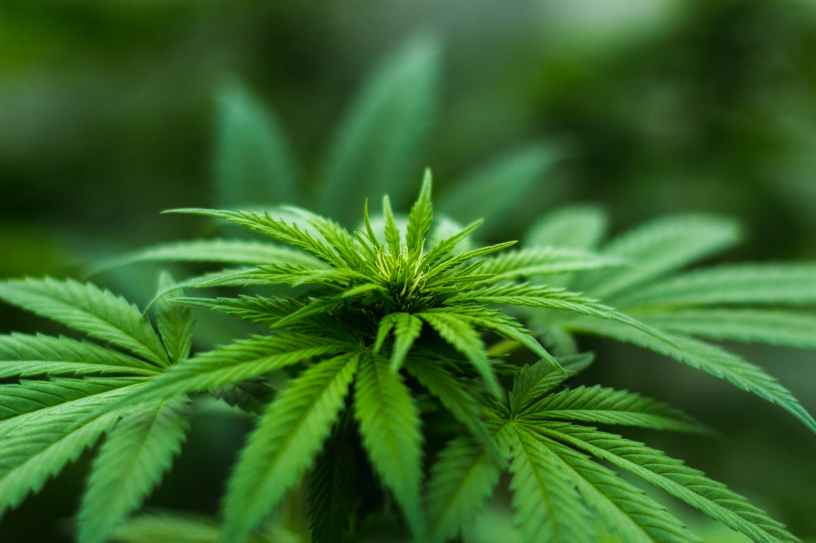
Lee Hawker-Lecesne, Lead Therapist and Addiction Counsellor at The Cabin looks at the rise in cannabis use and how cannabis induced psychosis can have an overall impact on not only mental health and wellbeing, but also longer term life opportunities.

COVID 19 drastically changed people’s social habits. Surveys show that young people began smoking more and drinking less during COVID 19. As there are no sanctioned places available for public consumption of marijuana, cannabis use remains something that people often do in their homes. Studies have also shown cannabis use has risen in correlation with reported mental health issues, people are using it as a form of self-medication from the residual effects of the trauma COVID caused. A more mainstream permissive view of cannabis has also evolved over the last 3-5 years following decriminalization in the continental US, and even in some Asian countries. This global sea change in opinion has sanded away many traditional apprehensions, and despite people having started drinking more [during isolation] at the beginning of the pandemic, many are now trying to balance that with cannabis use for health reasons and self-medication for stress, anxiety, and depression. Unfortunately, the advertising of medical marijuana does not tell the full story.
· Research into drug trends show that 7 out of 10 drug purchases across all periods of the pandemic were for cannabis.
· We know now from multiple surveys that drug use increased rather than decreased since the start of the pandemic.
· Of particular concern is that marijuana use is linked to an increased risk for developing several psychiatric conditions including schizophrenia, depression, and anxiety.
The Gateway Drug
Because of sub-cultural norms, permissive values of group members and the increase in potential exposure to other drugs, cannabis has become known as a gateway drug. Where there is cannabis use there is an increased chance of other drug availability, for those willing to experiment this can lead to the development of other substance use disorders.
Cannabis-Induced Psychosis
Cannabis is a known risk factor for the onset of schizophrenia and cannabis induced psychosis. While the underlying mechanisms are not well understood, studies have found that cannabis use is involved in 50% of schizophrenia, psychosis, and schizophreniform psychosis cases.
A study published in The Lancet found that people who smoke marijuana daily have a five times greater risk of developing psychosis compared to people who have never smoked marijuana.
There are several factors that may make a person more likely to experience psychosis after using marijuana:
• Heavy marijuana use
• Chronic, long-term use
• Age
• Existing vulnerability to psychosis
When people experience psychosis as a result of marijuana use, they may experience several different symptoms associated with a break from reality. Symptoms of marijuana-induced psychosis include:
• Hallucinations: These are characterized by sensory experiences that are not real and include seeing, hearing, or feeling things that do not exist.
• Paranoia: This is a type of thinking that causes people to feel suspicious and distrustful of others.
• Grandiosity: This involves having an exaggerated sense of power and importance. People experiencing grandiosity often feel they are superior or invulnerable to harm.
• Feelings of being persecuted: This is an aspect of paranoia where people believe that others are trying to harm them.
Of particular concern are teenagers who use marijuana, adolescents have a higher risk of experiencing psychosis. Research suggests that this might be due to the emotional challenges that sometimes contribute to marijuana use. Regular marijuana use by teens also affects the brain in a variety of ways impacting cognition, learning, and development.
Research shows that people who use marijuana and have a certain variation of the AKT1 gene, responsible for coding for an enzyme affecting dopamine signalling, are at a greater risk for experiencing psychosis. People who have this genetic variant and who use marijuana daily have a seven times higher risk of developing psychosis. Other gene variants also play a role in increasing the risk of adults who used marijuana as teens developing psychosis.
People may also experience other symptoms during a psychotic episode including irritability, anxiety, or racing thoughts. When psychosis is triggered by using a substance such as marijuana, these symptoms are acute rather than persistent. This means they typically resolve once the substance leaves the body.
However, the consequences of what happens whilst someone may be experiencing cannabis induced psychosis may be far longer lasting. Impaired judgment and reasoning can easily lead to further drug use with increases over time rather than a decline.
Cannabis Induced psychosis can also have an overall impact on mental health and wellbeing, increase the likelihood of progression to habituated use of cannabis and other drugs through social group membership and affecting longer term life opportunities as a result.
Discover more from
Subscribe to get the latest posts sent to your email.
 news4trafford.co.uk