
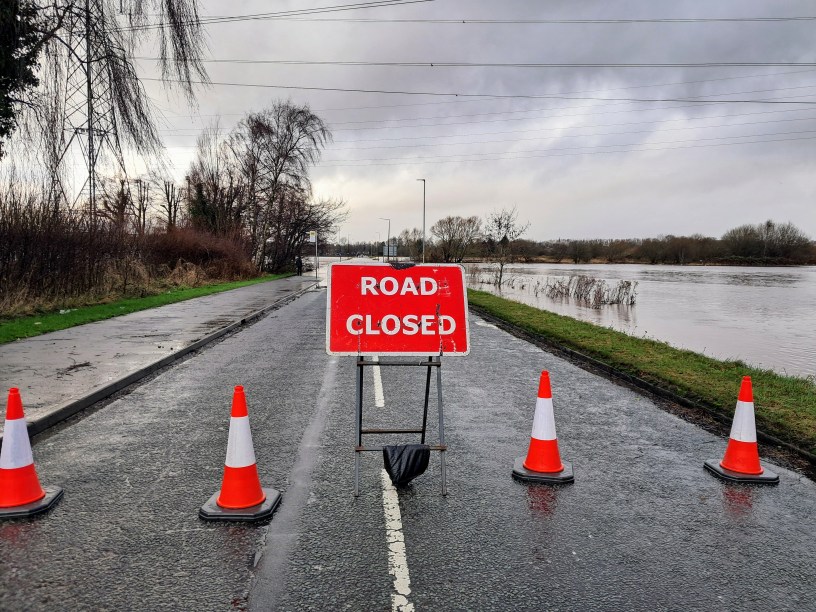
The cost of damages caused by flooding in the North West has increased by 199% over 5 years, with local residents claiming £3.5m in total over the period.
That’s according to new data released by Confused.com. It found that the value of claims for flooding damage in the North West increased from almost £480,000 in total paid out in 2020, to £1.4m in 2024. In total, 189 claims were made on home insurance policies over the 5 year period. This amounted to a significant sum of claims paid out by insurers.
The data comes as Confused.com investigates how many properties are considered high risk of flooding. And the impact this has had on homeowners and renters.
An FOI to the Environment Agency found that almost 11,000 homes are considered at ‘high risk’ of flooding in the North West.
This is a 1.3% decrease compared to 2018. These homes have a 3.3% chance of being flooded annually to be considered at ‘high risk’. This means they’re vulnerable to being flooded once every 30 years.
However, according to the data, some areas are more vulnerable today compared to 2018. For example, Merseyside has seen a 300% increase in the number of properties at high risk of flooding. From 360 in 2018 to 1,440 in 2023. This means more than 1,080 properties are at higher risk today than 5 years ago.
Similarly, Greater Manchester has seen a 15% increase in high risk properties over the same period – from 2,868 to 3,297 between 2018 and 2023. This means Greater Manchester has the highest number of high risk properties in the North West.
The number of high risk properties across the North West from 2018 – 2023
Data based on FOI information provided by the Environment Agency England for the total number of properties at high risk of flooding by local constituency.
Across England, there were more than 122,000 homes at high risk of flooding at the end of 2023 – a 1.3% increase compared to 2018. And almost £31m was paid out in claims for flooding damage across the UK between 2020 and 2024.
Are you at risk? Flooding is impacting some areas more than others.
Confused.com has created a tool where users can look up the flood risk in local parliamentary areas, and how this has changed over time.
There are many reasons for why the number of homes at risk of flooding has increased over the years. Climate change is a contributing factor, leading to more rainfall and rising water levels. But we’re also seeing more and more homes being built each year, which could be putting more properties at risk.
For example, there were approximately 24.2m residential properties in England in 2018, and 25.4m in 2023(4) – a 5% increase over the 5 year period. Not all of these would be considered at ‘high risk’ of flooding when you consider the 1.3% increase reported by the Environment Agency.
But there’s a likelihood that many of these new properties could have been built on land that’s in close proximity to water.Because of this they could be at risk of flooding.
According to further research by Confused.com, 1 in 4 (25%) UK homeowners or renters live, or have lived in a flood risk area. Of these, almost 3 in 4 (71%) experienced flooding in their local area, and more than 1 in 4 (28%) had flooding in their personal property.
In these cases, more than 2 in 3 (69%) claimed that the damage caused to their property was severe. And this is reflected in the value of damage caused to their home, which was around £849, on average. However, almost 1 in 4 (23%) of those affected by flooding in their property claimed that the damages totalled more than £1,000.
Victims have claimed millions of pounds from their insurers. So it’s clear that insurance is supporting those affected in reclaiming costs, easing the financial burden that damages to homes can cause. According to the research, almost a third (62%) of those affected claimed on their insurance, reclaiming more than £900 back in total, on average.
“It’s not only the financial impact that’s affecting people. The emotional impact of flood damage can be extremely distressing.
People have to repair or replace items in their home, or in some cases rebuild. In some cases, homes become unlivable, with more than a third (35%) of those affected having to move out of their homes. And this has had a knock on effect too, with 1 in 5 (21%) claiming that they’ve moved house to a property that’s less at risk of flooding.
It’s no surprise that almost half (45%) of those who are affected by flooding take precautions when a flood risk is issued.With a further 43% feeling anxious during severe weather warnings. Worryingly, only 20% of all UK homeowners and renters sign up to flood risk alerts.With more than 2 in 5 (44%) taking no action at all.
Local environmental agencies issue alerts when a flood warning is live, which can encourage people to take precautions. While this doesn’t prevent damages from happening in severe cases, it gives people the time to protect their properties the best they can.
With homes becoming unlivable, and properties being damaged, flooding can have a very distressing impact on residents in the UK. Understanding the risk in your area is important to knowing how you can best prepare for flood events and minimise any impact where you can.
Matthew Harwood, home insurance expert at Confused.com comments, “Flooding is something that affects the UK every year, from severe rainfall to flash flooding. The impact that this is having on homes and communities across the country can be devastating. It’s concerning to see that people are having to recover more from their insurers today than compared to 5 years ago.
“The aftermath of flood damage can have a profound impact on people. That’s before they have to recover the cost of any losses and damages. However, there are schemes out there to support people who are impacted, including the Flood Re Scheme. This is in place to help residents access affordable flood insurance cover as part of your home insurance. So if you’re worried that your insurance may not pay out, if you’re considered at risk, then there are initiatives that will help.
“Ensuring you have the right cover will help ease the stress flooding can cause, so you’re safe in the knowledge that you should be covered financially.”
Discover more from
Subscribe to get the latest posts sent to your email.
 news4trafford.co.uk