

When it comes to garden design, there are endless possibilities depending on your tastes and with so many different plants to choose from, it can be hard to know where to start.
The plant team at British Garden Centres discuss the different types of garden styles and how to choose the right one for your outdoor space.
Cottage garden: A classic cottage garden is a picture of romance with soft shapes, colourful flowers, and sweet smells filling the air.
You, too, can make a beautiful cottage garden with some classic plants, including sweet-smelling lavender, while tall foxgloves, loved by bees, add height to your cottage border. The quintessential English rose is the ideal choice for a cottage garden in its many colours and scents, whilst peonies are showstoppers in any planting style.
Tall delphiniums add height to a cottage garden, whilst geraniums and pelargoniums in pink, red, and white fill in the spaces in flower beds or hanging baskets.
People will also love bell-shaped campanulas and hydrangeas for the cottage feel. Dianthus, with its charming, often sweet-smelling flowers, add old-fashioned charm, whilst wisteria, with its hanging flowers, looks beautiful on pergolas, arches or above porches and doorways.
Contemporary urban garden: City gardens are often small, so you have to choose plants and containers carefully to make the most of the space. Because space is valuable, modern urban gardens often feature clean, geometric lines, simple but effective designs, and easy-care plants.
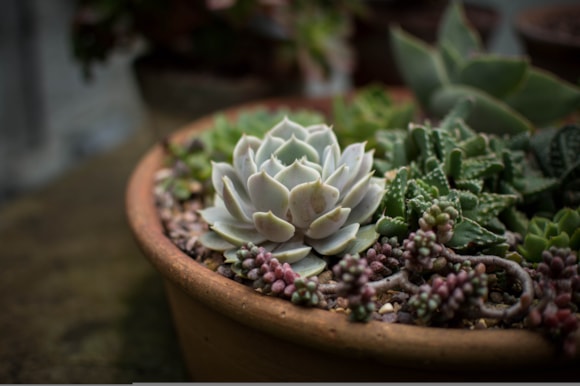
For a touch of the tropics and height in an urban garden, palms provide a dramatic focal point. Low-maintenance succulents, ideal for those with busy lifestyles, come in many varieties and thrive in containers or window boxes.
Cannas bring bold foliage and vibrant flowers while shade-loving hostas offer evergreen leaves with varied textures and colours.
Fatsia adds architectural interest with its glossy leaves, whilst architectural grasses bring movement and a modern feel to any outdoor space. Mini conifers are also slow-growing and provide year-round texture and greenery, offering a sense of permanence to the urban landscape.
Low maintenance garden: Dreaming of a beautiful garden but short on time? A low-maintenance garden doesn’t have to be boring! With clever planning and the right choices from British Garden Centres, you can create a vibrant outdoor space that’s easy to care for.
Shrubs form the backbone of a low-maintenance garden, offering year-round colour and requiring minimal upkeep. It is recommended plants like Choisya, with its evergreen foliage and spring flowers, and Skimmia Japonica loved for its dark green leaves and fragrant white blooms. Euonymus provides year-round interest, while Daphne, a highly fragrant shrub, boasts glossy foliage whilst being easy on maintenance.
Perennials are another fuss-free option, returning year after year with little effort, so they are perfect for low-maintenance gardens. Why not choose drought-tolerant lavender, hardy sedum that attracts bees, repeat flowering geraniums, and sun-loving rudbeckia?
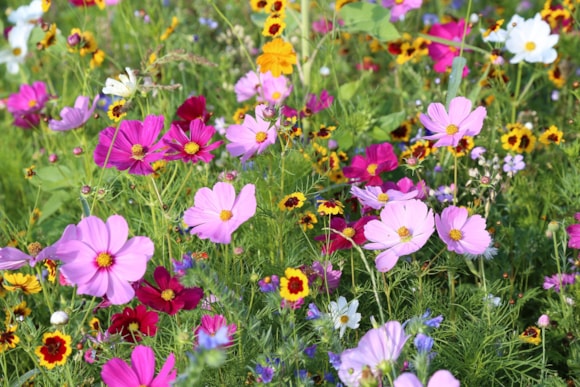
For a wilder look, a wildflower garden requires very little time and care. Sow seeds with varieties like ox-eye daisy, corn poppy, cornflower, and corn marigold.
Wildlife garden: Gardens provide vital habitats for wildlife, and connecting with nature is proven to boost mental well-being. Pollinating insects are declining, so you can help to support them by planting nectar-rich flowers that offer a continuous food supply from spring onwards.
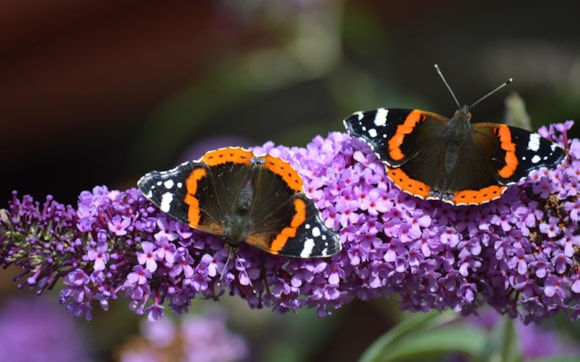
For pollinator-friendly gardens, we recommend a selection of plants, including lavender, an early summer favourite for bees; foxgloves, which are a favourite for solitary bees; sunflowers, which provide summer vibrance for pollinators; and dahlias, a late-season nectar source for insects.
Poppies offer ample pollen, while buddleia will attract butterflies and bees. Salvias bloom for months, sedum provides late summer and autumn food source and colour, verbena attracts bees and butterflies with its long flowering period, and rosemary offers nectar-rich flowers into late autumn and can even be used in cooking.
Julian Palphramand, Head of Plants at British Garden Centres, said: “From classic cottage garden favourites to the wildlife favourites, British Garden Centres and our knowledgeable and friendly plant team is ready to guide you every step of the way, from choosing the right plants to offering expert advice. Visit your local centre or browse our online selection today.”
British Garden Centres (BGC) is the UK’s largest family-owned garden centre group with 72 centres around the country. The group is owned and led by The Stubbs family, who also own and operate Woodthorpe Leisure Park in Lincolnshire.
Discover more from
Subscribe to get the latest posts sent to your email.
 news4trafford.co.uk