
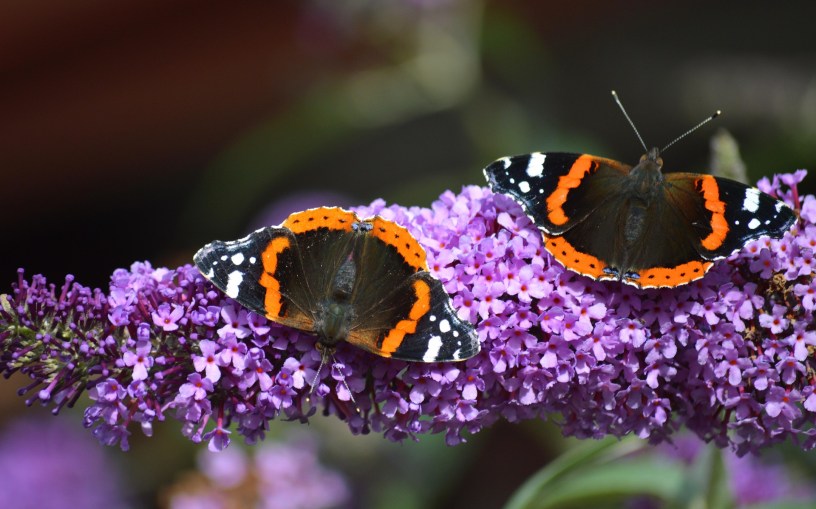
World Wildlife Day has taken place today (3 March) and is an annual event established by the UN that highlights the critical need for global wildlife conservation.
With many British animals and insects in decline, our gardens can provide vital havens and even small improvements—providing homes, shelter, and food—can significantly aid wildlife. British Garden Centres has put together some tips on how you can help on World Wildlife Day and beyond to help protect biodiversity.
Wildlife-friendly garden favourites
To support World Wildlife Day, you can do simple things to your garden to create thriving habitats. Think about how your garden can play an ecological role, whether it be attracting bees and butterflies with pollinator plants, or a sanctuary for nesting birds.
If you want to get your garden fluttering with activity, there is a wealth of wildlife-friendly plants that you can plant. Look for buddleia, lavender, lilac, gaura, salvia and verbena, all butterfly favourites. You can also make your outdoor space buzzing by planting nectar-rich flowers.
Think bluebells and tall statuesque foxgloves in borders, or the early spring bursts of colour from crocuses and primroses, drawing in bees with their abundant nectar. Forget-me-nots are also an ideal spring flower as it’s an early bloomer, creating a vital food source for bees as they emerge from winter.
Embrace the wildflowers
Wildflowers provide essential nectar and pollen sources for bees, butterflies, and other pollinators, playing a crucial role in maintaining biodiversity. This World Wildlife Day and beyond, why not let a portion of your garden run wild?
Allow a corner to flourish, where grasses can grow tall and seed, and where self-seeding wildflowers like borage, cornflowers, and poppies can attract pollinators and wildlife looking to shelter it. Look for wildflower mixes in-store which make it even easier than ever to create a wildlife-friendly meadow.
Some seed heads offer vital sustenance for birds during the autumn and winter months, as well as nesting material. By embracing a less manicured approach or sowing wildflower seed, you’ll create a dynamic, self-sustaining ecosystem that supports a wide range of wildlife in your garden or lawn.
Creating a garden pond
Amphibians, such as frogs, toads, and newts, are facing unprecedented threats worldwide. Their skin lets them breathe, but it also means they easily get sick from pollution and will eventually decline. However, you can help by adding a pond to your garden.
A pond in your garden gives these animals a safe place to live, breed, and find food. Keep the water clean, make sure it has different depths, and add local water plants like lilies and pondweed. It will also offer a safe haven for frogs, toads and newts to breed, forage, and shelter.
Nesting boxes for avian visitors
For bird enthusiasts, why not install nesting boxes and provide, species-specific bird feed? We recommend choosing bird boxes based on the bird species you wish to attract – hole-entrance boxes for smaller birds like tits and sparrows, and open-fronted boxes for robins and wrens.
Opt for boxes made of insulating wood, with adequate drainage and a sloped roof, and ensure they have sufficient internal space for your feathered friends. Make sure you mount boxes high, away from predators, facing north or east, and space them out to avoid territorial disputes.
Offer a variety of seeds, suet, nuts, and berries, and ensure a freshwater source is readily available for birds to both drink and bathe to ensure they remain healthy and thrive throughout the year.
Garden organically and naturally
Want to garden and help the planet – there are many ways you can garden naturally and sustainably to help the wildlife. First, ditch the harsh bug sprays and look for organic solutions instead – the staff at your local British Garden Centres store will be able to advise on the best and most natural product to help your garden woes.
You can help wildlife by doing something as simple as planting native flowers and trees – they’re naturally suited to the UK climate and soil and need less watering and feeding as they have adapted to the environment. But the advantages don’t stop there as they act as a vital food source for the country’s wildlife, attracting bees, butterflies, and birds that have evolved alongside them.
Why not make a compost pile that turns kitchen scraps into rich, nutrient soil and gives bugs and wildlife a home or leave some logs or rocks around for creatures to hide in?
Also look out for awareness events like the RSPB Big Garden Birdwatch or The Big Butterfly Count as it helps scientists learn more about different wildlife, track population changes and understand habitats and what is needed to ensure we live in a thriving ecosystem.
Amy Stubbs, Project & Development Manager at British Garden Centres said: “World Wildlife Day is a fantastic reminder that even small actions, like choosing native plants or leaving a wild corner in your garden, can have a significant positive impact on our local wildlife. The team at British Garden Centres is here to support everyone in creating gardens that are not only beautiful but also vital habitats for our wildlife and biodiversity.”
British Garden Centres (BGC) is the UK’s largest family-owned garden centre group with 72 centres around the country. The group is owned and led by The Stubbs family, who also own and operate Woodthorpe Leisure Park in Lincolnshire.
Discover more from
Subscribe to get the latest posts sent to your email.
 news4trafford.co.uk