
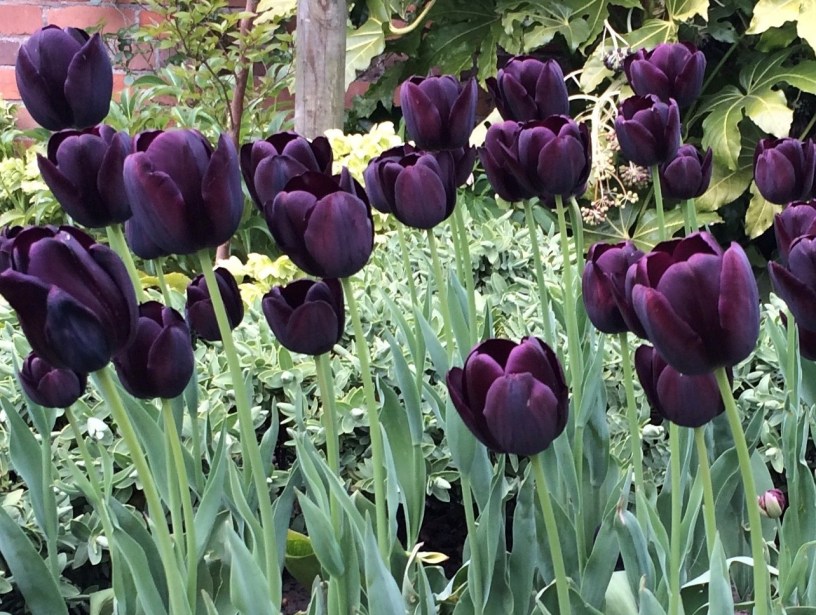
The glorious season of spring is here, and gardens, containers, and window boxes are awash with the beauty of daffodils, tulips, crocuses, hyacinths, and many other spring bulbs.
But as they start to fade, you may be wondering what to do next and how to care for your plants to ensure healthy growth and stunning displays next year and beyond. The team at British Garden Centres has put together this comprehensive step-by-step guide to help you with aftercare once your spring bulbs have flowered.
Deadhead: Once the flowers of your spring bulbs have faded, we recommend removing them by deadheading the flowers. Deadheading prevents the plant from expending energy on seed production, allowing it to focus on storing nutrients in the bulb for next year’s growth. Simply snip off the tired flower heads but leave the stem and foliage intact so your bulbs stay strong and are ready to bloom again.
Foliage: One of the most important rules of bulb care is to leave the foliage alone until it has completely yellowed and died down. The green leaves play a vital role in photosynthesis, converting sunlight into energy that is stored in the bulb. Cutting or tying back the foliage prematurely can weaken the bulb and reduce its ability to produce flowers next year, so wait until the foliage is dry and completely dead before taking out the snippers!
Feeding: After flowering, bulbs will still need some nourishment to replenish their energy stores, ready for next year. Continue watering them regularly and apply a high-potash plant food, such as tomato feed, every couple of weeks for about six weeks after they have died down.
Tidy: Once the foliage has fully died back and yellowed, we recommend that you remove any dead leaves or stems to prevent pests and diseases from taking hold in your flower beds or pots. Clearing away debris also creates space for new plants or seeds to bloom in summer, keeping your garden looking fresh and vibrant all year round.
Plant for summer: Spring bulb beds can be transformed into vibrant summer displays after clearing away dead foliage. Your local British Garden Centres store will stock summer bulbs ready to plant, like lilies, dahlias, gladiolus, or begonias. Alternatively, sow annual seeds such as cosmos, zinnias, or marigolds to fill your garden with color throughout and fill the void where your spring bulbs were.
Leave or lift your bulbs: Some bulbs can remain in the ground year-round, while others may need lifting and storing through the year. Daffodils and crocuses typically do well when left undisturbed underground. Tulips, however, can benefit from being lifted after their foliage dies back. Store lifted bulbs in a cool, dry place until autumn planting, ready for a spring season with a pop of color again!
Julian Palphramand, Head of Plants at British Garden Centres, said: “Spring flowering bulbs are a joy to behold as they spring to life with color after the dark, gloomy days of winter. With a little care and attention after they have bloomed, your spring bulbs will not only brighten your garden year after year but also create the perfect foundation for a vibrant, blooming display throughout the seasons.”
British Garden Centres (BGC) is the UK’s largest family-owned garden centre group with 72 centres around the country. The group is owned and led by the Stubbs family, who also own and operate Woodthorpe Leisure Park in Lincolnshire.
The group has a team of 3000 colleagues working across the garden centres, restaurants, growing nurseries, distribution centres, Woodthorpe Leisure Park, and Woody’s Restaurant & Bar.
Discover more from
Subscribe to get the latest posts sent to your email.
 news4trafford.co.uk