
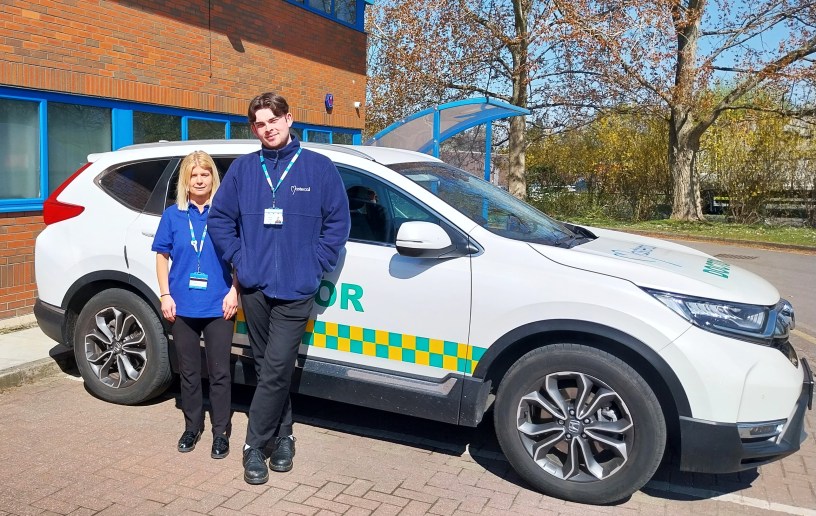
Hundreds of people across Greater Manchester received urgent help from the NHS Falls Pick-Up Service this winter, which in turn prevented hospital admissions and reduced pressure on emergency services.
The scheme ran from November 2024 – March 2025, supporting the winter period. It was available to anyone over 18 who had fallen at home, wasn’t injured but couldn’t stand up on their own. In conjunction with Greater Manchester Urgent Primary Care Alliance, this unique service helped 278 people get back on their feet.
When a 999 call was made, trained operators assessed whether a Falls Pick-Up Responder, rather than an ambulance, would be the most appropriate support. If the person needed urgent medical attention, the responder would call for emergency support. By responding quickly and preventing unnecessary ambulance callouts, the service helped ease pressure on busy NHS teams and ensured people got the right care, at the right time, in their own homes.
Care and advice
The Falls Pick-Up team did more than just help people stand up, they provided care and reassurance. Every visit included:
- Safe assistance – to help the person up without causing further harm.
- A wellbeing check – to make sure they’re feeling okay.
- Help calling a family member, friend, or carer if needed.
- A quick home check to spot any trip hazards like loose rugs or poor lighting.
- Advice on next steps, whether that’s a visit to their GP, a falls prevention service, or a home safety assessment.
By acting fast, the team prevented people from spending long periods on the floor, which can lead to dehydration, pressure sores, hypothermia, and other serious health risks.
Helped at home
Paul was helped by the service after a fall at home. His wife, Frances, said: ‘I don’t know what we would have done without them. They arrived so quickly, reassured us, and got Paul back on his feet safely. It was a huge relief.”
Making a real difference
This winter service has helped free up ambulances for life threatening emergencies, which meant people who needed urgent medical help weren’t waiting for longer than necessary.
The service also reduced the number of ambulances called out for non-injured falls. It reduced unnecessary hospital visits, keeping beds free for those who need them most and sped up response times, making sure people were not left waiting for help.
Due to its success, the service was also expanded to support care homes, healthcare professionals and carers who were with someone who had fallen at home.
Rob Wood, Clinical Hub Manager for the North West Ambulance Service said: “The no-injury falls service created great benefits for patients and the ambulance service in Greater Manchester. Patients received a timely response when they could otherwise wait longer for our crews to arrive, reducing the need for an ambulance to attend unnecessarily and keeping them available for our sickest patients.”
Falls are one of the biggest causes of emergency hospital admissions, costing the NHS £2 billion a year.
- 1 in 3 people over 65 and 1 in 2 people over 80 fall at least once a year.
- Falls are the biggest reason older adults are admitted to hospital.
- Increasingly, more falls are being mentioned in preventable death reports.
Dr Manisha Kumar, Chief Medical Officer, NHS Greater Manchester, said: “The Falls Pick-Up Service made a real difference, demonstrating how we can provide the right care, quickly, in resident’s own homes.
“By offering rapid support to people who have fallen but not seriously injured, we are preventing unnecessary ambulance call-outs and hospital admissions but also ensuring people receive compassionate care at home. Over the winter period, this service is made a big difference to individuals, their families, and our healthcare system as a whole.”
If you’re at risk of falls, it’s important to do things to prevent them.
The NHS advises:
- Staying active – physical activity guidelines for older adults recommend being active every day, and doing activities that improve strength and balance at least twice a week.
- Wearing shoes or slippers that fit well, do not slip off and have a good grip.
- Using a non-slip mat in the bath or shower.
- Considering fitting safety rails on steps, and grab rails in the bathroom.
- eating well and stay hydrated, not eating and drinking enough can make you feel lightheaded or faint.
- Looking after your bone health by eating foods containing calcium such as dairy products, tofu and leafy greens, and make sure you get enough vitamin D from oily fish, eggs and sunlight.
- Having regular eye tests, and get your ears and hearing checked, as ear problems can affect your balance.
- Speaking to a GP or pharmacist if you think your medicines could be affecting your balance.
For more NHS Falls Prevention advice visit – www.nhs.uk/conditions/falls/prevention
Discover more from
Subscribe to get the latest posts sent to your email.
 news4trafford.co.uk