
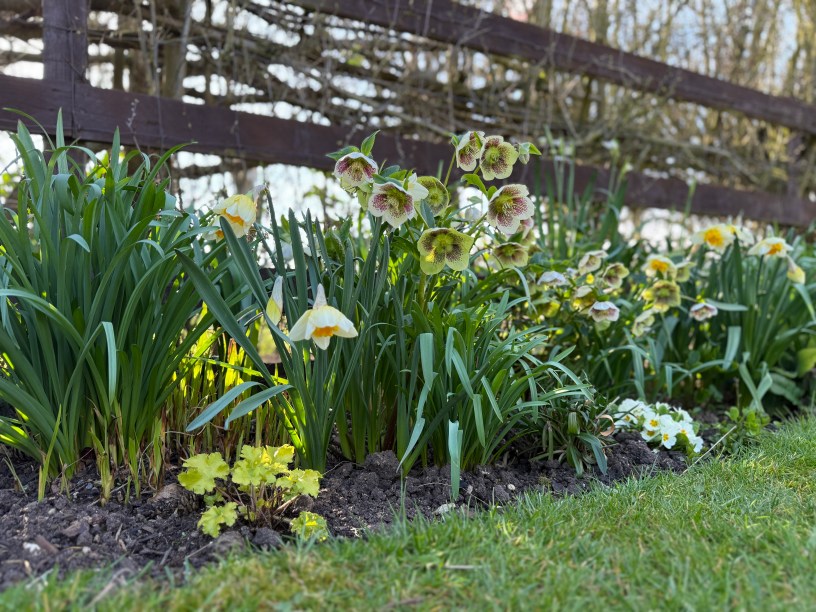
We are now in the throes of spring, and your gardens are starting to bloom and grow.
Many new gardeners are ready to dig in and visit their local garden centre, but can feel overwhelmed by the unfamiliar language of horticulture.
To help beginners grow with confidence, as part of the #StepintoSpring campaign and RHS National Gardening Week, the team at British Garden Centres have put together this guide to understanding plants and terminology, making it easier than ever to revitalise and grow in your outdoor space.
Which plant should I plant for spring?
Annuals are plants that complete their life cycle—from seed to flower to seed in a single year. Once the growing season ends, annual plants die, but some leave behind seeds for the next year. Examples of annuals include primroses, nemesias, wallflowers, chrysanthemums, marigolds, sunflowers, zinnias, pansies, violas, and sweet peas. While they offer instant colour and impact in spring, they must be replanted each year.
Biennial plants spread their life cycle over two years, as the name suggests. In the first year, they grow leaves and roots, storing energy. In the second year, they flower, seed, and then die. Foxgloves, dianthus, poppies, hollyhocks, and aquilegias are classic biennials, providing a delightful display in their second season.
Perennials are plants that return year after year. Once established, these plants grow and bloom for many seasons, making them a main feature in any garden or container. Herbaceous perennials, such as delphiniums, hellebores, anemone, geum, aubrieta, and euphorbia, die back to the ground each winter but regrow from their roots in spring, while woody perennials like camellias retain their structure year-round.
Understanding plant hardiness
Spring’s unpredictable weather in the UK means understanding a plant’s hardiness is important, but when you see those labels and descriptions, what does it all mean?
Tender plants are sensitive to frost and will not survive the UK winter temperatures. These include many popular bedding plants, dahlias, cannas, fuchsias, calibrachoa, petunias, and lemon verbena, and vegetables such as courgettes, marrows, pumpkins, and beans that thrive only after the last frost has passed.
Half-hardy plants can tolerate cooler temperatures but need protection from severe frosts. They may require covering or moving indoors during cold snaps to ensure their survival through winter. Examples of half-hardy plants include cosmos, nicotiana, zinnia, rudbeckia, aster, petunias, impatiens and lobelia. Half-hardy vegetables include tomatoes, chillies, peppers, runner beans, courgettes, sweet corn, cabbage, Brussels sprouts, and broccoli.
Hardy plants withstand harsh winters without extra protection and return yearly, perfect for low-maintenance gardens. Hardy plant examples include hostas, lilies, lavender, roses, geraniums, coreopsis and sedum. Root vegetables such as carrots, parsnips, beetroot, and swede are also resilient, often benefiting from a touch of frost. Leafy greens like winter spinach, winter lettuce, and Swiss chard can survive in chillier temperatures, whilst garlic and onion sets, along with hardy leeks and autumn-sown broad beans, are hardy through the winter months.
Plant foliage
Deciduous trees and shrubs shed their leaves at the end of the growing season, often in autumn, before regrowing fresh foliage in spring. This natural cycle is perfectly normal and helps the plant conserve energy over winter. Herbaceous plants die back to ground level at the end of the season but regrow from their underground parts each spring. Many perennials fall into this category, offering a reliable burst of growth and colour year after year.
Evergreen plants live up to their name and retain their leaves throughout the year, providing structure and colour even in the depths of winter.
Soil terminology
If you hear someone talking about ericaceous plants, these include blueberries, camellias, and rhododendrons—they thrive in acidic soils with a pH. below 7. Gardeners wishing to grow these must ensure their soil is suitably acidic or use containers with ericaceous compost to keep these beauties healthy and vibrant.
Make sense of the jargon
Spring gardening is filled with terms that can seem confusing at first, but understanding a few key words can make all the difference:
Germinate: When seeds begin to sprout and grow roots and leaves.
Deadhead: Removing spent flowers to encourage new blooms.
Thin out: Removing excess seedlings to allow remaining plants space to grow.
Transplanting: Moving young plants from pots or trays into their final growing positions.
Julian Palphramand, Head of Plants at British Garden Centres, said: “As the weather warms, we know many people are eager to get growing but can feel daunted when confronted with so much choice. At British Garden Centres, our expert team is here to make gardening simple and enjoyable for everyone, whether you’re a first-time gardener or looking to expand your knowledge.”
British Garden Centres (BGC) is the UK’s largest family-owned garden centre group with 73 centres around the country. The group is owned and led by the Stubbs family, who also own and operate Woodthorpe Leisure Park in Lincolnshire.
Discover more from
Subscribe to get the latest posts sent to your email.
 news4trafford.co.uk