
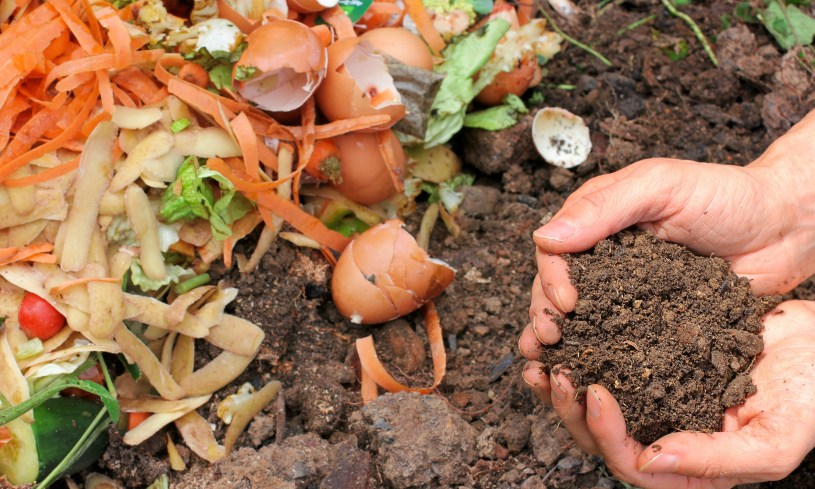
In celebration of International Compost Awareness Week, which takes place from May 4th to 10th, British Garden Centres has put together some top tips to inspire gardeners across the UK to embrace home composting.
With the theme for this year’s awareness week, “Sustainable Communities Begin with Compost!” and the weather warming, there has never been a better time to start taking garden and household waste and turning it into compost to benefit your plants this summer.
What is home composting?
Home composting is a simple yet powerful way to transform everyday garden and kitchen waste into a rich, nutritious soil conditioner that keeps plants strong and healthy.
By improving soil structure, compost helps sandy soils retain moisture and enhances drainage in heavier clay soils, creating an ideal environment for helping your plants grow. It also offers a fantastic way to recycle your household and garden materials into nutrient-rich compost that benefits your garden soil and plants.
Beyond the common items like grass cuttings, leaves, and vegetable peelings, there are many other everyday household materials you can add to your compost bin.
What can I compost at home
The most obvious things to compost at home are garden waste such as weeds, leaves, debris, cuttings, and prunings. But did you also know that many kitchen scraps are excellent for composting? You can home compost your fruit and vegetable peelings, coffee grounds, tea leaves, and eggshells.
Crushed eggshells can add valuable nutrients back into the soil, with the high level of calcium being very beneficial to plants and helping to moderate soil acidity. Just make sure you wash your eggshells before adding them to the compost.
You can also compost paper products like plain cardboard, cereal boxes, toilet roll tubes, and egg cartons, as these act as “brown” carbon-rich ingredients that help keep the compost aerated and prevent it from becoming too wet or compacted.
Other household items suitable for composting include hair and nail clippings, natural fibers such as wool and cotton (in small amounts), and even small amounts of wood ash, which add minerals to the soil. Used kitchen towels can also be added, as they break down well and contribute to the carbon content. We advise not to add any glossy or waxed papers, plastic-coated packaging, or anything with synthetic materials to your compost, as these are very hard to decompose.
Green and brown
When composting, it’s important to balance “green” nitrogen-rich materials and “brown” carbon-rich materials. Greens include fresh grass clippings, soft prunings and cuttings, young weeds, and kitchen scraps, which provide the nitrogen needed for microorganisms to thrive. Browns include dried leaves, cardboard, shredded paper, straw, and woody hedge trimmings, which provide carbon and help maintain air spaces in the pile.
How to start your compost bin
Set up your compost bin or heap in a sheltered, shady spot in your garden, ideally on bare soil to allow beneficial soil organisms to access the pile and aid breakdown. You can buy a compost bin or build your own from wooden pallets. Layer your materials as you add them, mixing greens and browns, and turn the pile every three to four weeks to aerate it. This turning introduces oxygen, which is essential for the microbes breaking down the waste and speeds up the composting process.
Amy Stubbs, Development & Project Manager at British Garden Centres, said, “Composting is a straightforward and rewarding thing that anyone can do, whether you have a small garden, a balcony, or even just a kitchen counter. It’s an easy way to reduce waste and enrich your soil naturally, making sustainable gardening accessible to all, which is the main message of International Compost Week.”
British Garden Centres (BGC) is the UK’s largest family-owned garden centre group with 73 centres around the country. The group is owned and led by the Stubbs family, who also own and operate Woodthorpe Leisure Park in Lincolnshire.
Discover more from
Subscribe to get the latest posts sent to your email.
 news4trafford.co.uk