
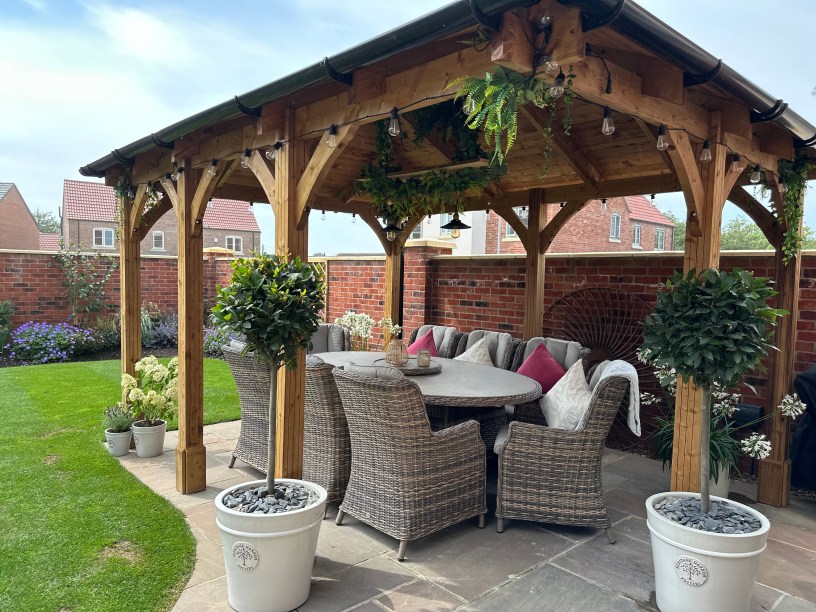
Topiary is the art of shaping living plants into decorative forms and has been practised in gardening for centuries. It can be found in many historic gardens around the world, but you can also create topiary in your garden at home.
To celebrate World Topiary Day, which takes place on May 12th, British Garden Centres has put together a guide to the best plants and tools to help you get started with this craft.
Which plants are right for topiary
So, you want to try topiary, but which plants do you choose? There are traditional choices like box (Buxus sempervirens), which would turn any garden into a stately home. Buxus is a popular choice and loved for its dense, evergreen foliage and slow, manageable growth. You can shape buxus into balls, cones, spirals, and sometimes even into animals, making it a favourite for both traditional and contemporary gardens.
Yew (Taxus baccata) is another favourite topiary plant and ideal for beginners because of its longevity and hardiness. Yew has fine, dark green needles and is great for shaping and pruning, making it ideal for hedges and whatever you’d like to clip. Privet (Ligustrum) is fast growing, also great for hedging and is perfect for beginners or anyone wishing to experiment with topiary shapes.
Bay (Laurus nobilis) is ideal for topiary because its slow-growing, dense evergreen foliage can be shaped into neat, elegant forms like balls, lollipops and cones, while its aromatic leaves provide flavour in the kitchen. The leaves are widely used to flavour soups, stews, stocks, and marinades, adding a warm, peppery aroma to food. It thrives in well-drained soil and sheltered spots and grows well in containers or the ground.
Holly (Ilex) brings a festive touch to the garden with its well-recognised evergreen, spiky leaves and red berries, while and is another great plant for topiary shaping and clipping. Lavender can also be trimmed into small structures for a container or low hedges for a pathway, providing both scent and nectar for pollinating insects.
To make your topiary a focal point in its flower bed or pot, why not also add some pops of colour by planting perennials such as geraniums or salvia, or summer bedding around it. Bulbs like hyacinths and tulips can also be added in autumn to complement your topiary in the next spring season.
Tools for topiary
If you’re just starting with topiary, you don’t need lots of fancy equipment, and a visit to your local garden centre will provide you with everything you need. A small pair of topiary shears or sharp garden scissors is perfect for trimming soft, new leaves and shaping your plant. For thicker branches, a pair of secateurs will help you make clean cuts without stressing the plant.
We also recommend investing in a good pair of gardening gloves to protect your hands and a ground sheet to catch the leaves and branches you cut off. If you’re working on bigger shapes or taller plants, a sturdy step stool or garden ladder can help you reach safely. As you get more confident, you can try using string or canes to help guide your shapes.
Topiary care
When you’re new to topiary, we recommend starting with easy shapes like balls or cones. These are simple to practice on and will help you get the hang of trimming. Make sure to trim your plants a little bit at a time and do it regularly to help the plant grow thick and healthy, and keep your shapes looking neat.
Remember to water your topiary plants well, especially if the weather is dry and if they are in containers. Feeding them with plant food will also help them stay strong and green. Keep an eye out for any signs of pests or diseases, like spots on the leaves or bugs on the stems and remove them.
Julian Palphramand, Head of Plants at British Garden Centres, said: We are passionate about helping everyone enjoy the art of topiary. Our knowledgeable team is here to guide you in choosing the right plants, offer expert tips on shaping and care, and answer any questions, no matter your experience level. Join us on Topiary Day to get inspired, learn new skills, and discover the perfect plants and tools to bring your garden ideas to life!”
British Garden Centres (BGC) is the UK’s largest family-owned garden centre group with 73 centres around the country. The group is owned and led by the Stubbs family, who also own and operate Woodthorpe Leisure Park in Lincolnshire.
Discover more from
Subscribe to get the latest posts sent to your email.
 news4trafford.co.uk