
Summer is the time when your fruit trees and bushes come into their own.
The warm sun, longer days, and buzzing pollinators all work together to help your plants grow and produce delicious fruit.
If you’re new to gardening, caring for fruit plants might feel a bit daunting, but the team at British Garden Centres has put together this easy-to-follow guide to help you make the most of your fruit trees and bushes this summer.
Watering
Summer heat can quickly dry out the soil, and with little rain over spring, watering is the number one thing to focus on for your fruit trees and bushes this season. We recommend giving them a deep, thorough soak to encourage roots to grow downwards, where they can find moisture even during further dry spells.
For trees, water around the drip line where the roots spread out. Depending on your soil, watering once a week might be enough, but sandy soils might need it more often, while clay soils hold moisture longer. Young trees especially appreciate slow, steady watering to help them settle in. We advise checking the soil for moisture with your finger and watering when dry.
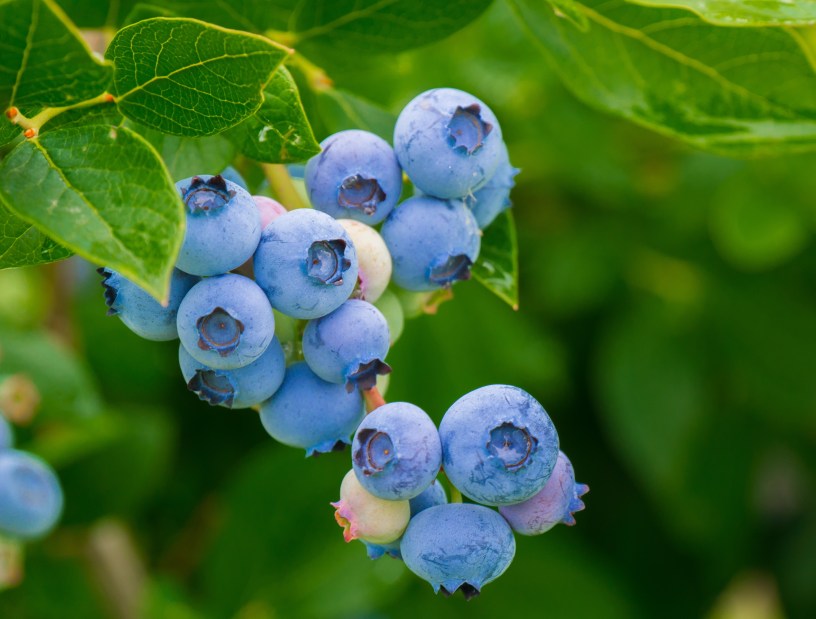
Fruit bushes like raspberries and blueberries will need more frequent watering, especially if they’re in pots or raised beds, as they will dry out quickly, so check them daily during hot spells. Adding a layer of mulch, like bark chips or straw, around the base helps lock in moisture and keeps weeds at bay.
Feeding
Fruit trees and bushes are like little factories working hard to produce your favourite fruit, so they need plenty of nutrients. Feeding them with a balanced plant food in early summer will give them the fuel to keep growing strong and ripening tasty fruit for you to harvest. Just be careful not to feed too late in the season—late summer feeding can encourage soft new growth that might not survive the colder months.
Pruning
Pruning will help your plants focus their energy where it counts. For apple and pear trees, summer pruning means cutting back new shoots to about three leaves past the last fruit cluster. This lets sunlight reach the fruit and helps the tree prepare buds for next year’s crop. Stone fruits like plums and cherries will benefit from pruning too, which will also help reduce fungal diseases.
If you’re growing summer-fruiting raspberries, right after harvest is the time to cut out the old canes, as this clears the way for fresh new canes to grow strong and produce next year’s berries. Thin out new shoots so they’re nicely spaced and tie them to supports to keep everything tidy and airy.
Look out for pests
Summer warmth can also bring pests and diseases, so keeping an eye on your fruit plants is key over the next few weeks.
Make sure you thoroughly check leaves, stems, and fruit regularly for signs like curled leaves, sticky spots, or holes. Common culprits include aphids, caterpillars, and fruit flies, while powdery mildew and rust can cause fungal problems. Use organic methods like handpicking, spraying with insecticidal soap, or encouraging helpful insects like ladybirds to keep your fruit trees and bushes pest-free.
To protect ripening fruit from birds and wasps, consider using netting, but remember to remove it after harvest so you don’t trap any wildlife.
Maintenance
A little everyday maintenance goes a long way when it comes to keeping your fruit at its best. Keep the ground around your fruit plants free from weeds and keep an eye on your fruit on trees like apples and plums by removing smaller or damaged ones, so the remaining fruit grows bigger and sweeter.
Check your tree ties and supports regularly to make sure they’re not digging into the bark as the trunk thickens. And don’t forget to pick your fruit as soon as it’s ripe, as freshly picked fruit tastes best and helps keep pests away.
Plan for next year
Summer is also a great time to think about your garden plans for next year. If you have runners from strawberries or healthy shoots from raspberries, pot them up to create new plants for next year. Propagating your own plants is a rewarding way to grow your garden with even more fruit without extra cost.
Julian Palpramand, Head of Plants at British Garden Centres, said: “Summer care for fruit trees and bushes doesn’t have to be complicated. By watering deeply, feeding thoughtfully, pruning gently, watching for pests, and keeping your garden tidy, you’re setting the stage for a fruitful season. Whether you’re picking your first berries or harvesting your first apples, the rewards of growing your own fresh fruit are worth every moment spent in the garden.”
Discover more from
Subscribe to get the latest posts sent to your email.
 news4trafford.co.uk