
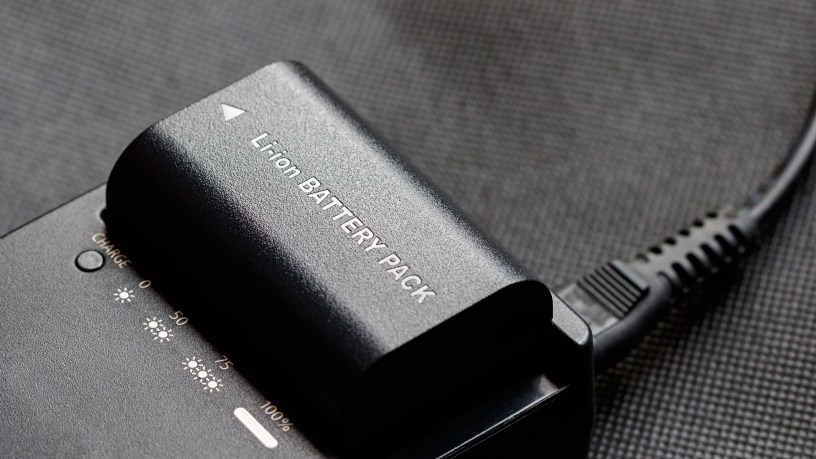
Following a surge of viral content on social media, including a recent story from well-known creator Kyra Mae detailing a devastating house fire caused by lithium-ion batteries, High Speed Training, a leading health and safety e-learning company, shares urgent guidance.
This urgency is heightened as the holiday season approaches, with numerous new battery-powered Christmas gifts, including electric scooters, drones, and the latest phones and toys entering homes and significantly increasing the risk of incidents if not handled properly.
What is a lithium-ion battery?
A lithium-ion battery is a type of rechargeable power source known for its high energy density and lightweight design. Unlike older battery chemistries, it utilizes lithium ions as its primary component, enabling it to store a substantial amount of power relative to its size and weight. This efficiency and performance make lithium-ion technology the standard choice for portable devices, electric vehicles, and everyday electronics.
Dr. Richard Anderson, Head of Learning & Development at High Speed Training, said: “Despite their many benefits, lithium-ion batteries do come with risks, and while serious incidents are relatively rare, the consequences can be severe if safety measures are not followed.
“Some of these dangers include fires or explosions, the release of toxic gases, and chemical burns. It is essential that we emphasize the importance of proper usage, safe charging, and responsible disposal of lithium-ion batteries.”
Why do lithium-ion batteries catch fire?
Dr. Anderson continues: “Lithium-ion batteries primarily catch fire as a result of thermal runaway. This is the core mechanism where the temperature within a battery cell rises uncontrollably, typically due to physical damage, overheating, a manufacturing fault, or overcharging.”
How to prevent lithium-ion battery fires
- Purchasing: Only purchase lithium-ion batteries and chargers from reputable suppliers.
- Usage:
- Storage: Store batteries in a cool, dry location, away from direct sunlight and flammable materials. Check batteries frequently for warning signs, such as swelling, leaking, or physical damage.
- Disposal: Never dispose of lithium-ion batteries in general household waste bins. They must be taken to authorised recycling centres or disposal facilities to prevent fires in waste trucks or landfill sites.
Dr. Anderson continues: “Lithium-ion fires are complex and dangerous. If a fire occurs, do not attempt to extinguish it yourself, as water isn’t suitable for extinguishing the battery itself. Raise the alarm, evacuate the area immediately, and call 999 without delay.
“We urge everyone to take a moment today to check their chargers and storage habits; in all cases, prevention is the best defense against serious lithium-ion battery fires.”
For more tips and in-depth guidance, visit High Speed Training Hub, or our article: A Guide to Lithium-Ion Battery Fire Safety
Discover more from
Subscribe to get the latest posts sent to your email.
 news4trafford.co.uk