
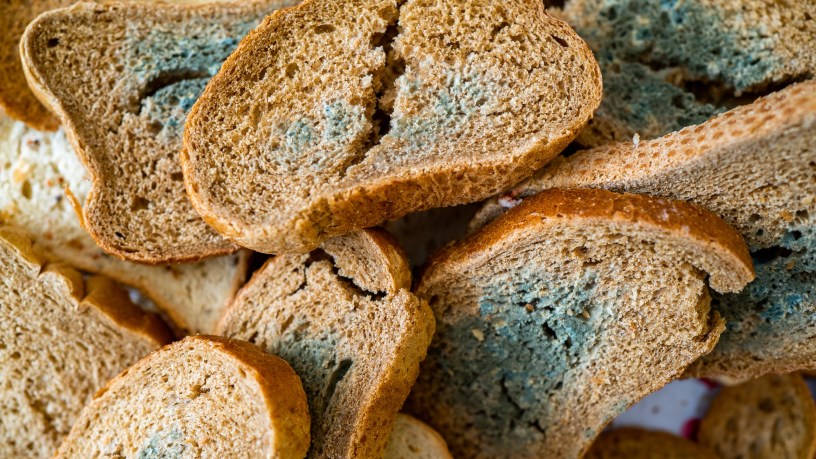
Understanding how to prevent food spoilage is essential for reducing food waste, saving money and protecting health. Spoiled food not only contributes to unnecessary costs but can also lead to foodborne illness if consumed.
Here, the team at food hygiene training experts High Speed Training share some top tips on reducing the risk of food spoilage.
Dr Richard Anderson, Learning Experience Director at High Speed Training, said: “Food spoilage refers to the process where food becomes unsuitable for consumption due to changes caused by microorganisms, enzymes or physical and chemical reactions. These changes can affect the safety, flavour, texture and overall quality of food.
“Spoiled food is no longer safe to eat and should always be discarded to avoid health risks.”
Some signs of food spoilage to look out for include a sour, off, or unpleasant odour, a change in colour or an altered texture, for example, milk becoming clumpy or foods becoming slimy or soggy. Other indicators are visible mould or unusual growths on the surface of food, or an unusual or rancid taste.
Food spoilage can be caused by a combination of factors, including physical, chemical and biological contamination, or poor packaging and storage practices.
The Importance of Safe Food Storage Temperatures
Dr Anderson said: “Maintaining safe food storage temperatures is vital for maintaining food safety and preventing food spoilage. To slow bacterial growth, perishable foods should be stored below 5 °C (or at least under 8 °C) in the fridge. Foods must be kept out of the temperature danger zone (between 8 °C and 63 °C) where bacteria can multiply rapidly. It’s also important to chill cooked food quickly – ideally within 90 minutes – and avoid leaving it within the temperature danger zone (such as room temperature) for a prolonged period.
10 top tips to prevent food spoilage
- Always keep perishable foods refrigerated below 5 °C.
- Store frozen foods at -18 °C or lower.
- Apply the FIFO (First In, First Out) system: use older products before newer ones.
- Use airtight containers or appropriate packaging to limit exposure to air and moisture.
- Label and check use by and best before dates regularly and rotate stock accordingly.
- Avoid over-purchasing perishable items to reduce waste and ensure they are used before they spoil.
- Maintain rigorous personal hygiene and clean surfaces and equipment regularly to minimise microbial contamination.
- Separate raw and ready-to-eat foods in storage and preparation areas to avoid cross contamination.
- Cool hot food quickly (using methods like dividing into smaller portions or using ice baths) and refrigerate within 90 minutes.
- Discard any food showing signs of spoilage immediately.
For more information, please visit the High Speed Training website.
Discover more from
Subscribe to get the latest posts sent to your email.
 news4trafford.co.uk