
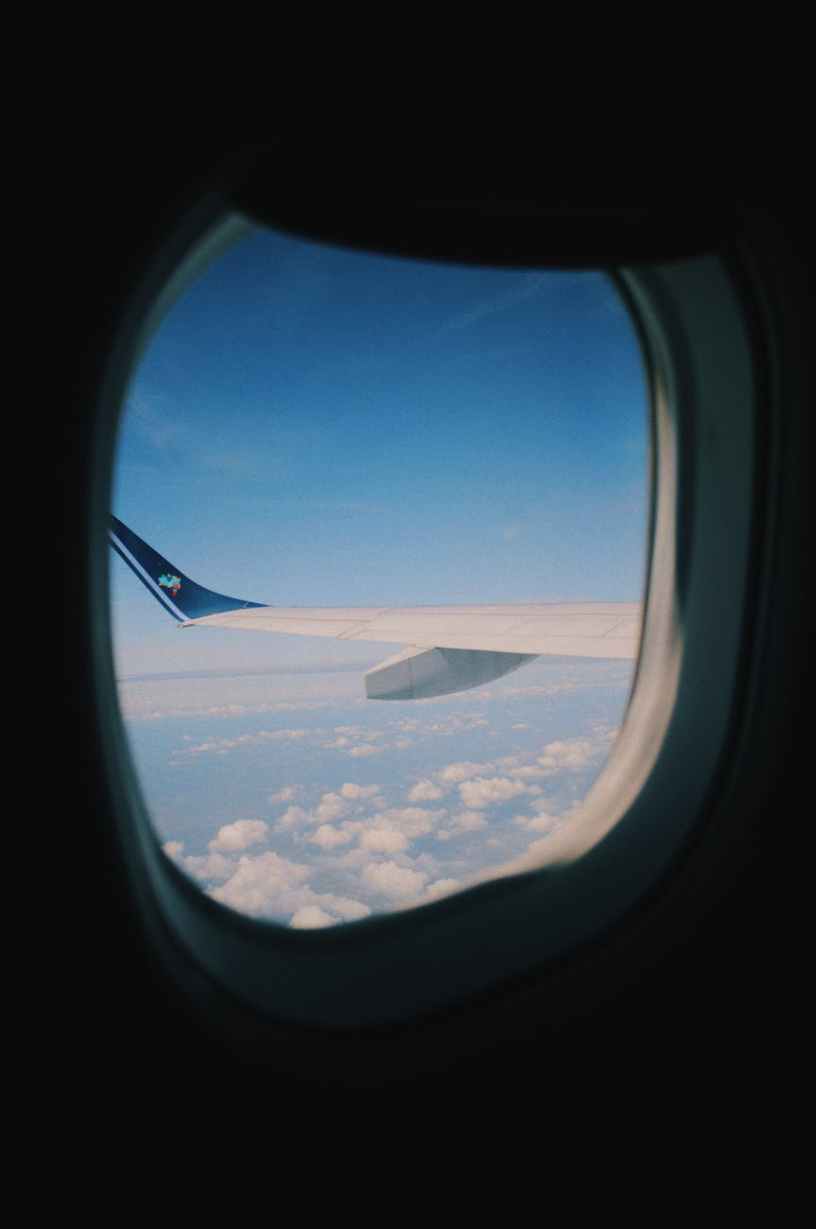
Today 20 February we remember all those who have perished in air crashes around the world, and also remember that out of every tragic crash, air travel has become much safer.
The biggest ever disaster was at Los Rodeos Airport in Tenerife on 27 March 1977, where two 747-400 planes (KLM and Pan Am) collided on the runway. Five hundred eighty-three people died from both aircraft due to foggy conditions, some issues with ATC (Air Traffic Control), and poor judgment from the pilots.
On the KLM all 248 passengers and crew died and on the Pan Am 335 died with one survivor.
Japan Airlines 747 flight 123 on 12 August 1985 crashed into a mountain killing 520 people with 4 survivors due to improper repair of rear pressure bulkhead which led to explosive decompression and loss of control.
On 12 November 1996, a mid-air collision between a Saudi 747 and a Kazakhstan Ilyushin Il-76 resulted in the deaths of all 349 passengers and crew. Since then, all aircraft are equipped with TCAS (Traffic Collision Avoidance System), which warns the captain and first officer that another aircraft is too close and to take action to avoid a collision.
Air crashes have happened here in the UK, with one of the biggest being on 18 June 1972, when a British European Airways Hawker Trident aircraft with 118 passengers and crew on board took off from London Heathrow (LHR) and soon after the aircraft stalled and crashed near Staines, Middlesex.
At Manchester Airport on 22 August 1985, the British Airtours Boeing 737, with 137 passengers and flight crew on board, was heading for Corfu in Greece when the captain aborted takeoff due to an engine fire, which was caused by faulty repairs and poor-quality materials in the cabin.
The fire worsened due to the wind, and it reached the cabin sooner, meaning passengers couldn’t get out fast enough. Fifty-five people died due to the toxic smoke, while 83 people survived. Since that disaster, all aircraft interiors have been changed to offer better fire-resistant fabrics and seats with wider aisles on some newer aircraft.
Other disasters in the UK and around the world have caused the deaths of thousands of people, leaving their loved ones struggling to cope with the tragic loss. Many of these disasters happened because of poor maintenance, which made the situation worse.
In some crashes, pilot error has been a problem. Occasionally, pilots have crashed planes on purpose due to suicide. This is why airlines now carefully check all pilots and first officers for any issues, to ensure the safety of everyone on board.
Another rare event happened on 23 November 1996 when an Ethiopian Airlines Boeing 767 that was on route from Addis Ababa to Nairobi was hijacked, the three hijackers was able to enter the cockpit and threatened the captain and first officer and asked them to fly to Australia but the 767 did not have enough fuel and crashed into the sea killing 125 people including the hijackers, and 50 people survived some with life changing injuries
The captain was given hero status as he ditched the aircraft near to a beach where lots of people were and why 50 people survived after being rescued, due to this crash the doors of cockpits are out of bounds once shut and only the captain and first officer has access making hijacking a thing of the past.
Due to all the crashes, it has made things ultra-safe for passengers and flight crew. We hear about some crashes or incidents happening in the world, but mostly this is due to pilot error or even ATC issues. Engines sometimes go bang, but these days aircraft can fly very well with one engine.
Other things that can cause issues with aircraft are the wind, which tests the pilot flying an aircraft, but they are well trained for such situations. With modern aircraft providing warnings in the cockpit, safety is 100%. The real truth is you are more likely to die in a car or motorbike crash than on a plane.
Our thoughts are with all those who perished in air disasters and with the families who have to deal with the loss of a loved one but have the strength to continue.
Discover more from
Subscribe to get the latest posts sent to your email.
 news4trafford.co.uk