
The National Institute of Health reported that over one-third of women in the UK have nutritional deficiencies. These nutrient deficits affect a vast range of women spanning from the ages of 20 to 59.
Women from this particular study showed that there was a consistent deficiency of minerals including iron, magnesium, potassium, and iodine as well as Vitamin A. It is thought that these trends of nutrient deficiencies are due to varying factors, from the cost of food being more expensive to trends on social media encouraging women to cut out certain food groups.
Deficiencies like iron can be particularly detrimental to heart health. Iron is responsible for building hemoglobin, a protein in red blood cells that carries oxygen around the body.
Low iron can lead to iron deficiency anemia, a condition characterized by fatigue, weakness, hair loss, and brittle nails. In extreme cases, prolonged anemia can result in heart failure due to increased cardiac workload. Although nutrient deficiencies like iron are relatively common, it does not mean that they should be taken lightly.
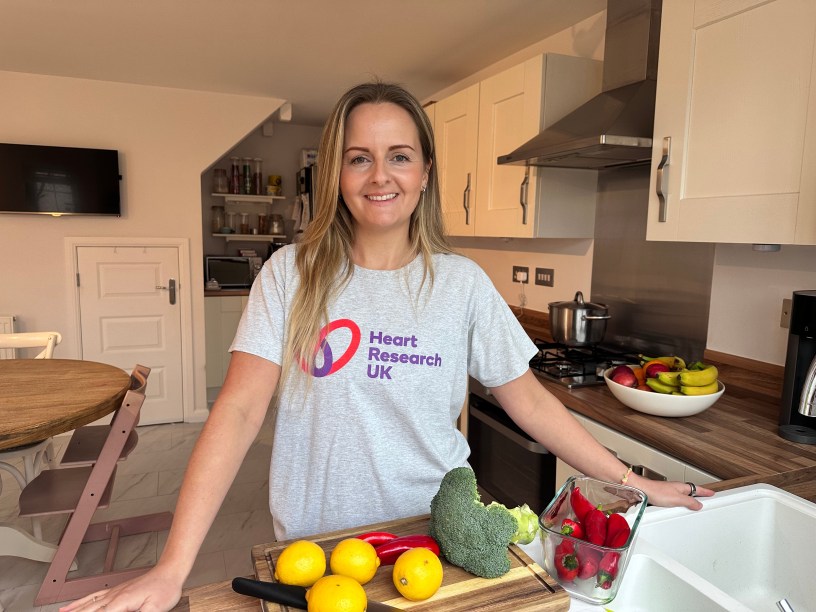
Heart Research UK’s qualified nutritionist Amie Leckie details what she eats in a day to ensure her body can retain optimum nutrients. She maintains that having a balanced and varied diet is key for optimum health and highlights the importance of tracking the consumption of food groups.
Amie’s Food Diary:
Breakfast 7am
Breakfast is my favorite meal of the day and as soon as I wake up I’m thinking about what I’ll eat. I prioritize a protein and fiber-rich breakfast to help keep me feeling full until lunchtime. The combination of these nutrients together helps slow down digestion, keeping blood sugar stable and preventing sudden hunger spikes and cravings that lead us to the biscuit tin an hour after breakfast.
One of my go-to options is porridge; oats are particularly supportive of heart health as they contain a special type of fiber called beta-glucans, which promotes gut health and helps keep cholesterol levels healthy.
I usually stir through a spoon of flaxseeds as these provide heart-supportive omega-3 and add some extra fiber. Chopped banana is my choice of topping, and I finish it with a drizzle of raw honey.
If I’m not in the mood for porridge, I might choose scrambled eggs served with a baked sweet potato I prep ahead of time and just heat through. The eggs provide protein and the sweet potato gives me slow-release carbohydrates and fiber. If I happen to have any salad in the fridge,
I’ll pop a bit of that on the side, such as rocket or watercress for some additional fiber. I’ll usually drizzle a little extra-virgin olive oil and lemon juice on the salad for dressing—olive oil is one of the best foods we can consume for heart health, so I try to make sure I manage to get a little bit of that in every day.
I’m a big fan of a good quality coffee in the morning as it’s a great source of polyphenols that have antioxidant activity in the body and protect against heart disease, so I always have one cup with or just after my breakfast.
It’s small additions such as flaxseeds and olive oil that can transform a meal into having adequate micronutrients we don’t usually get in staple foods such as rice, pasta, or flour.
Lunch 12pm
I’m such a foodie and come 11:30 I’m already daydreaming about what I’ll have for lunch, so I’m usually prompt at eating lunch around 12 pm. I don’t usually snack mid-morning, but I might have a cup of tea once I sit down to start work.
At the moment I’m really enjoying tuna salad sandwiches; I choose wholewheat bread for fiber content and whip up some tuna ‘mayo’ using Greek yoghurt instead of mayonnaise.
The tuna and Greek yoghurt add a good amount of protein, and I’ll throw in whatever salad I have available such as peppers, onion, and cucumber for extra fiber and some crunch. I usually have a few golden kiwis with lunch; these are my favorite fruit and a great source of vitamin C and are very supportive of gut health.
Afternoon Snack 3pm
If I find myself hungry mid-afternoon, I usually reach for a yoghurt bowl. I make this using 0% Greek yoghurt and top it with a variety of different things, whatever I have in the kitchen usually.
This could be a combination of nuts, seeds, and berries like raspberries and blueberries, and if I fancy something sweet, I’ll top it with some 70% cocoa chocolate, which is a good source of antioxidants and makes the snack feel really indulgent.
Cacao contains flavonoids which are incredibly good for heart health; these flavonoids are responsible for lowering blood pressure and improving circulation. Additionally, nuts like cashews and pine nuts are a rich source of iron.
Evening Meal 6pm
My favorite type of evening meal is curry; I love every variety and enjoy making my own sauces using different herbs and spices. So come 6pm, I’m usually tucking into a chicken katsu curry packed with veggies and served with rice, again providing a great mix of protein and fiber.
I consistently ensure all my meals have protein and fiber together to ensure blood sugar is released gradually, keeping my energy stable and me full until bedtime.
If I’m not having a curry, it might be something like salmon tacos, which tick off one of my oily fish for the week, giving me that all-important heart-supportive omega-3. It is recommended that adults in the UK eat omega-3 at least twice a week; this is important for our body as we need this nutrient to build cell membranes in our body.
Omega-3 is also responsible for reducing inflammation in the body and is a good protector against chronic heart conditions. It’s vital that people make a conscious effort to eat omega-3, as this is a nutrient we must obtain from food because our bodies cannot produce enough of it, unlike vitamin D, which the body can produce when exposed to sunlight.
If I’m pushed for time, or it’s the end of the week and I’m due for a food shop, I’ll make jacket potatoes and serve them with some beans, cheese, and roasted veggies. Eating well doesn’t have to be complicated, so even something as simple as a jacket potato, if paired with some veggies and a source of protein like tuna, beans, or chicken, can make a great option for a meal.
I don’t usually eat dessert, but on the odd occasion I do, I’ll again reach for the dark chocolate and have a few squares of that, but I always make sure I have that right after my meal. Eating sweet things on an empty stomach isn’t ideal as it causes blood sugar spikes, which over time can cause damage to blood vessels, promote fat storage, and even cause kidney damage.
So I always advise people to have their sweet thing right after a meal rather than eating it later on the sofa in front of the television.
Throughout the day I sip on water; I usually drink about 1.5-2 liters a day. Being hydrated is really important for overall health and heart health. I avoid sugar-laden drinks but enjoy a matcha green tea every now and then; green tea, and especially matcha, are great sources of antioxidants which help combat damage to your cells caused by free radicals, helping keep your heart and arteries healthier over time.
By making a conscious effort with our diet, we can get optimum nutrients from food alone. Eating healthy doesn’t necessarily have to be expensive either. If you’re stuck on nutritious healthy meals to make, check out my meal plans on heartresearch.org.uk.
Discover more from
Subscribe to get the latest posts sent to your email.
 news4trafford.co.uk