
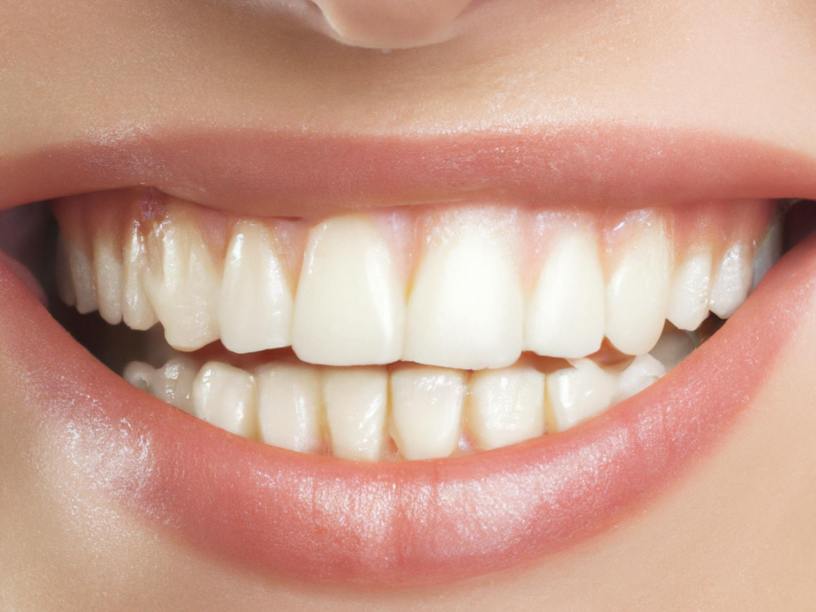
Oral health is often overlooked, but it is crucial to overall well-being. The mouth is a gateway to the body, and issues that begin there can affect nutrition, speech, confidence, and even contribute to systemic health conditions.
In the past, dentistry has been a “fix the problem” service, with little time and little value placed on education and prevention. And yet, the vast majority of the disease dentists treat is preventable. Here The Lifestyle Dentist Dr Maria Papavergos looks at how to achieve good oral health on World Oral Health Day (20th March) .
Oral Health Statistics*:
- 41% of adults in the UK have untreated tooth decay.
- Nearly half of adults (47%) report experiencing at least one oral health impact in the last year.
- More than one-in-five 5 year old’s in England (23.7%) have obvious decay in their teeth.
- Tooth decay is the leading cause of hospital admissions for children aged 5–9.
- Child tooth extractions due to decay cost the NHS over £40 million each year.
- Each year, there are around 10,825 new cases of mouth cancer in the UK.
- Oral health is strongly linked with levels of deprivation. Brushing twice daily rises from 69% in the most deprived areas to 85% in the least deprived.
Importance of nutrition in good oral health
Nutrition is increasingly sidelined — despite being foundational to both mental and physical performance. It is important to remember that a healthy, balanced diet impacts oral health as well as overall health.
Nutrition is one of the foundations of oral health. Fifty percent of mouth cancers are linked to a diet low in fresh fruit and vegetables. The abundance of antioxidants, vitamins and minerals are protective against malignant change. In contrast, highly processed foods, high in refined carbohydrates, are pro-inflammatory and linked to a higher risk of periodontal (gum) disease.
Gum disease is linked to increased risk of systemic diseases, with a threefold increase in risk of diabetes and being causal in the development of cardiovascular disease. It’s time to make positive changes for our oral health through prioritising nutrition.
Dr Maria Papavergos comments: “The connection between the mouth and the rest of the body is indisputable with oral-systemic links being well established not only in terms of chronic inflammatory disease, but immunity and longevity too. It’s time to put the mouth on the map to health.”
Key Oral Health Tips
- Brush twice a day and clean between your teeth daily with floss or interdental brushes. Ideally wait at least an hour after eating acidic foods before brushing to prevent enamel damage
- When cleaning your teeth, spit out excess toothpaste but avoid rinsing with water or mouthwash immediately, as this can wash away the fluoride.
- Stay hydrated: drink plenty of water to maintain healthy saliva flow and a balanced oral microbiome.
- Reduce sugary drinks and snacks which increase the chance of tooth decay and consume anti-inflammatory foods, such as oily fish containing omega 3 fatty acids and calcium rich foods like dairy products and green leafy vegetables to strengthen teeth and bones.
- Keep up the regular dentist trips – at least once every 6 months!
- For better oral hygiene and overall wellbeing,consider using targeted oral probiotics alongside a balanced diet to rebalance the oral microbiome
Luvbiotics is the British probiotic oral care brand developed by microbiologists and dentists. Instead of using harsh antibacterial formulas that can wipe out everything in your mouth (good and bad), Luvbiotics is built around a smarter idea: support the oral microbiome and keep things in balance.
The range of toothpastes, mouthwashes and oral health lozenges are available via Holland & Barrett, Superdrug, Wholefoods, Amazon, leading health-food wholesalers, and direct from the Luvbiotics website.
Dr Maria Papavergos (@thelifestyledentist) is a forward-thinking general dentist with a 360 approach to oral health, viewing the mouth as the gateway to the whole body. With over 10 years clinical experience, she is on a mission to shine a light on the importance of the oral microbiome.
Discover more from
Subscribe to get the latest posts sent to your email.
 news4trafford.co.uk